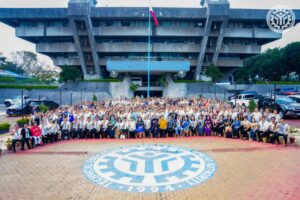

The Technical Education and Skills Development Authority (TESDA) convened the Joint General Directorate and Administrators’ Conference 2026 in Taguig City last week, and brought together the agency’s officials to align priorities, clarify policies, and strengthen the delivery of technical vocational education and training (TVET) nationwide.
Carrying the theme “Leading Forward in 2026: Clarifying Policies, Aligning Offices, and Strengthening TVET Delivery,” the conference served as a platform to synchronize TESDA’s nationwide implementation strategies amid a record-high budget year and rising expectations for stronger employment outcomes.
“Alalahanin po natin na we have the biggest budget in TESDA’s history. A bigger budget means higher expectations and bigger responsibility. But also, a bigger budget means bigger opportunity for us to make more impact,” Secretary Kiko Benitez said.
For 2026, TESDA will prioritize key areas under the TESDABest 8-Point Agenda, including access to TVET, demand-driven and data-driven training with digital transformation, employment outcomes, and flexible learning and facilities.
Key objectives were outlined for the General Directorate Conference, which include strengthening the deployment of operational policy guidelines across regions to ensure consistent implementation, clear performance indicators, smooth communication, and improved efficiency and effectiveness.
The agency is also committed to deploying new omnibus scholarship guidelines to support the smooth and timely implementation of the 2026 scholarship program.
Meanwhile, the Administrators’ Conference focused on institutional and operational strengthening at the level of TESDA Technology Institutions (TTIs). Among the priority actions identified were the establishment of TTI scholarship allocations and the determination of targets for both scholarship and non-scholarship programs, aligned with national and regional workforce demands.
TTI administrators were also directed to sustain the alignment and continuous improvement of their Institutional Development Plans (IDPs), review and finalize the TTI Revenue Investment Plan for 2026–2027, and strengthen the implementation of Trainers Development Programs to ensure the availability of qualified instructors for high-demand sectors.
“We are moving in the right direction, but the scale of the challenge means we have to move faster, smarter, and more targeted. Kailangan nating tutukan hindi lang ang bilang ng graduates, kundi ang pag-produce mismo ng industry-ready, certified workers who can immediately fill these high-demand jobs.