By Lane Afable, News Editor
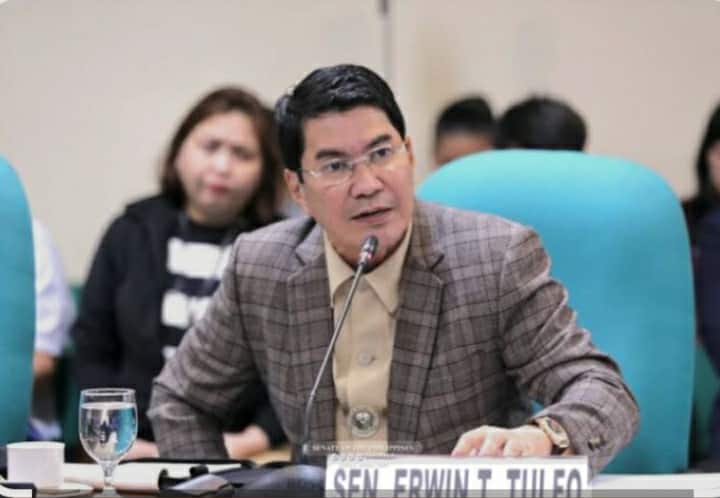
Senator Erwin Tulfo has vowed to secure sufficient budget allocations for hospitals and critical infrastructure in the Province of Palawan.
So far, Tulfo is the first-ever Senator to personally visit various remote island towns in Palawan.
Tulfo’s pledge follows an exhaustive, on-ground consultation tour across 12 remote municipalities, including Aborlan, Narra, Quezon, Kalayaan, Busuanga, Coron, Linapacan, Agutaya, Magsaysay, Cuyo, Roxas, Araceli, and Dumaran.
It is said by local folks, that by traversing aforecited isolated areas, Tulfo has bridged the distance between the halls of power and the people who need them most.
“We directly asked the local government units and the residents themselves.
“We prioritized the areas which are not being reached by government services,” remarked Tulfo, Senate Finance Vice Chairman.
“For instance,” he said, “town leaders of Magsaysay, Cuyo, and Dumaran, told me that I was the first-ever Senator of the Republic of the Philippines who visited them. How would we know the needs of the people if we do not see them eye to eye?” the Senator asked.
Among the pressing needs of the areas that the Senator visited include dire lack of health facilities, roads, and sports and wellness amenities.
Most critically, many island municipalities still lack basic ports—a deficiency that leaves residents helpless during medical emergencies and stifles local livelihood opportunities.
According to Tulfo, this extensive series of consultations in the said province is part of his grassroots-based policymaking in the Senate.
“I wanted to see the actual areas first and really talk to the people, so we could push for budget allocations for projects and programs that they genuinely need, especially ahead of the 2027 National Budget deliberations,” the Palaweño lawmaker said.
“If we know where the projects are, we can easily track them and monitor their implementation as part of the Senate’s oversight powers,” he added.
As he navigated the 12 municipalities, Senator Tulfo committed not only to championing these infrastructure needs in the national budget but also to providing immediate financial aid such as the Sustainable Livelihood Program, and other tangible assistance, such as vehicles, to bolster local operations.
Local leaders expressed deep gratitude, noting that the Senator’s presence was a historic shift in how their concerns are being addressed—moving from neglected voices to being heard directly by an action-oriented legislator.