By Lane Afable, News Editor
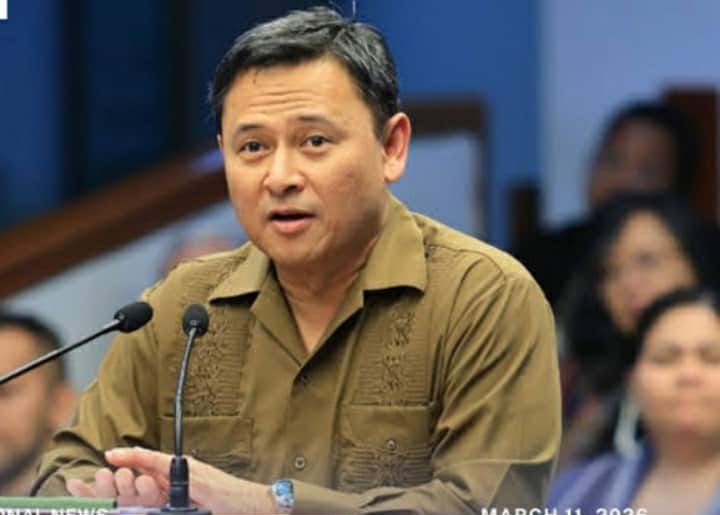
Education Secretary Sonny Angara has allowed private schools to implement more flexible class schedules and teacher training arrangements as they deal with rising electricity costs brought about by the national energy emergency.
In a memorandum, the Department of Education (DepEd) clarified that private schools may continue with five days of face-to-face classes or adopt blended learning to help manage operational expenses while ensuring that students’ learning continues.
The policy was issued following the declaration of a State of National Energy Emergency under Executive Order No. 110, s. 2026, which has led to increased energy costs for institutions, including schools.
“We understand the challenges our private schools are facing. We want to give them the flexibility to manage rising operational costs while protecting the quality of learning,” Angara said.
Under the clarification, private schools no longer need prior approval to shift to blended learning, provided they follow the prescribed model and notify their respective Schools Division Office at least five days before implementation. They must also submit a report outlining the revised class program and measures to ensure learning standards are still met.
Under the blended learning guidelines, schools are advised to limit remote classes to one day per week for Kindergarten to Grade 6 to support the development of foundational literacy and numeracy skills.
Meanwhile, students in Grades 7 to 10 may have up to two days of remote learning per week, while Senior High School students may have up to three days.
Blended learning combines face-to-face classroom instruction with remote learning, which may be conducted synchronously or asynchronously, with or without the use of digital technology.
DepEd also encouraged schools to adopt more flexible approaches for teacher training and professional development, including online, asynchronous, or hybrid platforms, to reduce travel and energy consumption.
According to DepEd, this flexibility will remain in effect for as long as the national energy emergency is in place.
However, the agency emphasized that face-to-face learning remains the default mode, and any alternative arrangements must continue to meet established learning standards for students.
Regional and division offices have been directed to monitor the implementation of adjusted learning modalities in private schools.