By Lane Afable, News Editor
Malacañang on Thursday said that President Ferdinand R. Marcos Jr. was correct in his earlier statement that former Ako Bicol party-list representative Zaldy Co had been detained in the Czech Republic over issues with his travel documents.
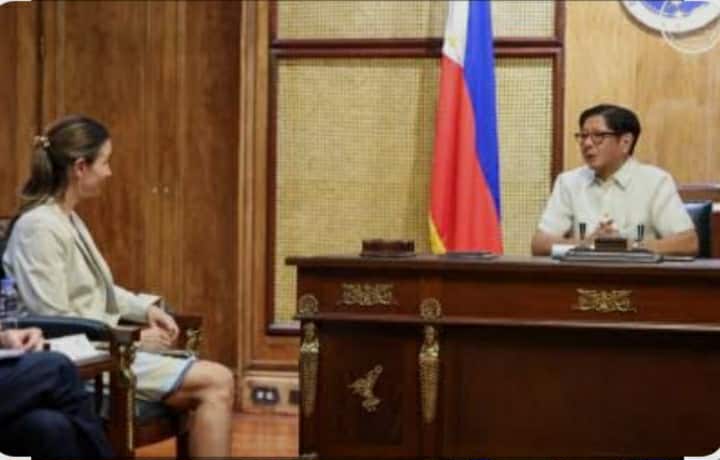
At a Palace press briefing, Presidential Communications Office Undersecretary and Palace Press Officer Claire Castro said Czech Republic Chargé d’Affaires Eva Tenzin confirmed this during a meeting with the President, stating that Co was indeed placed under Czech custody because his travel documents were invalid.
“Mr. President, you are correct in your information that Zaldy Co was detained by Czech authorities due to invalid travel documents,” Castro said, quoting Tenzin.
President Marcos met Tenzin in Malacañang on Wednesday. He also held a separate meeting with French Republic Ambassador to the Philippines Marie Fontanel, in connection with Co’s case.
Castro said the Czech official’s statement validated the President’s earlier remarks about Co’s detention in the Czech Republic.
Castro said the President expressed disappointment over Co’s subsequent release from Czech custody and noted that the former lawmaker remains in Europe.
She added that President Marcos sought a clear explanation of the circumstances surrounding the release and reiterated that foreign countries should not serve as safe havens for individuals facing charges in the Philippines.
“Sinabi po niya na dismayado siya sa nangyari. At very unsatisfactory ‘yung naging result dahil habang patuloy na nakikipag-ugnayan ang bansa sa Czech Republic habang nandoon si Zaldy Co ay biglang naputol ang pagbibigay ng impormasyon,” said Castro.
When asked by reporters why Co was released, Castro said the Czech official cited legal constraints under international, European, Czech laws.
Castro said the Czech government conveyed that its cooperation is limited by its legal framework.
Queried on the possibility of engaging French President Emmanuel Macron to help secure Co’s return, Castro said authorities cited legal limitations and could not provide further information, especially since the case may involve political asylum.